


Winter Starts Before the Snow: How to Prepare Your Vehicle
Winter weather can change quickly. One day, you’re enjoying a normal drive, and the next day, snow and icy roads can make getting to school, work, and appointments more challenging. Preparing your vehicle ahead of time means you can spend less time worrying about road conditions and more time focusing on the people and places that matter most.
Don’t Wait for the First Snow
When temperatures drop below 7°C, it’s time to think about switching to tires designed for winter conditions.
Waiting until the first major snowfall can also make your winter tire swap more difficult. Tire shops can quickly become busy, appointments may be harder to book, and you could end up driving in snow conditions before your winter tires are installed.
Planning your winter tire change before the first major snowfall gives you more flexibility and helps make sure your vehicle is ready when winter weather arrives.
Check Your Winter Tires Before They Go On
If you already have a set of winter tires, take some time to inspect them before installation. Here are a few key areas to check:
- Tread depth: Based on Transport Canada’s recommendation, winter tires have at least 4 mm of tread depth for safer winter driving. Check the tread before installation and replace tires that are below this recommendation.
- Uneven wear: Check for differences across the tread that could indicate alignment or suspension issues.
- Cracks or visible damage: Inspect the sidewalls and tread for cuts, cracks or other signs of damage.
- Tire pressure: Check tire pressure when the tires are cold and inflate them according to the vehicle manufacturer’s recommendations, typically found on the driver’s door jamb.
- Overall condition: If your winter tires have been used for several seasons, consider having them professionally inspected.
Give Your Vehicle a Winter Checkup
Winter readiness goes beyond your tires. Before the cold sets in, take a few minutes to check the essentials, including your winter-rated windshield washer fluid, wiper blades, lights, battery and brakes.
It’s also a good idea to keep an emergency kit in your vehicle. A blanket, flashlight, jumper cables and first-aid supplies can come in handy if you encounter unexpected winter conditions.
A quick check now can help you and your family feel more prepared for the season ahead.
Find the Right Tire for Winter
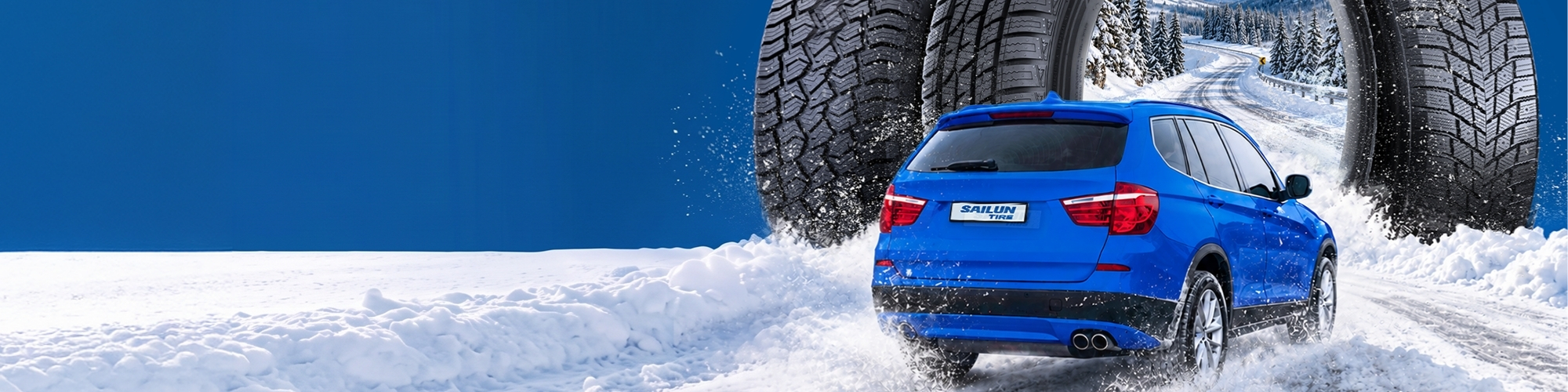
Sailun Tire offers a range of winter tires to help you find the right fit for your vehicle and winter driving needs. The Ice Blazer WSTX is a studdable winter tire designed to provide traction in snow, slush and icy conditions. With new sizes now available, more drivers can find a fit for their vehicle, including Jeep Grand Cherokee (265/50R20), Toyota Venza (245/50R20) and Audi A4 (245/35R19), giving drivers more options for winter driving.
Looking for an option that can stay on your vehicle throughout the year? The Sailun Atrezzo 4S is an all-weather tire designed for changing road conditions, including winter weather, offering a convenient alternative to seasonal tire changeovers. Check your local requirements and driving conditions to see if it’s the right fit for you.
For SUVs and light trucks, the TERRAMAX AT2 combines all-terrain capability with winter-ready performance, making it a versatile option for drivers who spend time both on and off the road.
All three tires carry the 3PMSF (Three-Peak Mountain Snowflake) certification, indicating they meet the industry performance requirements for severe snow conditions. Whether you’re preparing for your daily commute, family trips or weekend adventures, Sailun has a winter-ready option to help you stay confident on the road.
Make Your Winter Tire Swap a Priority
Don’t wait for the first snowfall to prepare. Schedule your winter tire change early, check your vehicle’s winter essentials, and head into the season with confidence.