


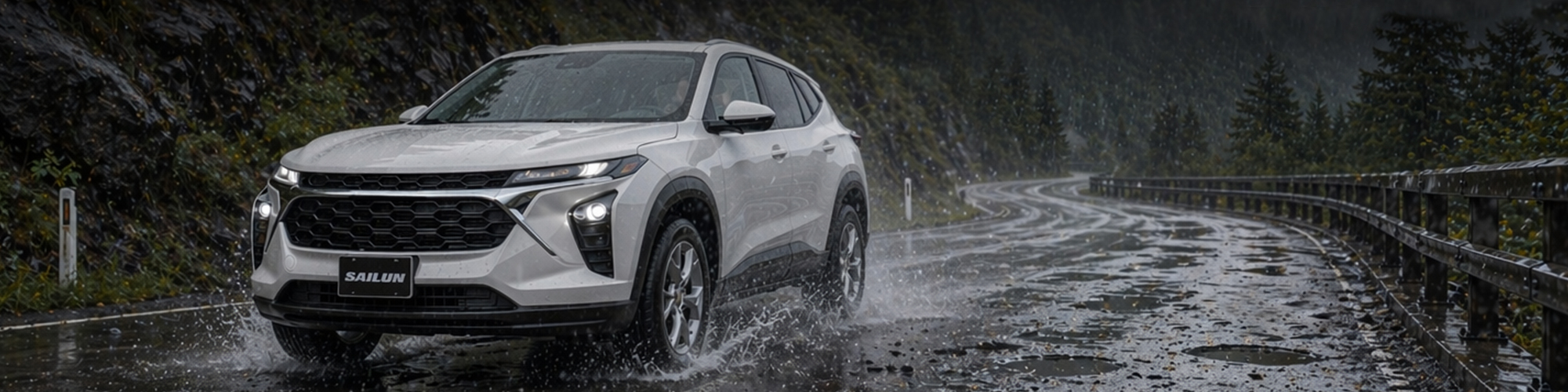
Spring driving is not a holiday after winter
As most Canadians have come to know, there always comes a moment during spring where driving starts to feel easier.
The roads finally clear up, the snow is gone, and for the first time in months you’re not bracing for black ice every time you hit the brakes. Your daily commute feels smoother, quicker, and a lot less stressful.
But spring driving in Canada comes with its own set of risks. They’re just less obvious and most of them come down to one thing, what your tires are dealing with every time they hit the road.
Spring Roads in Canada Are Far From Perfect
When winter fades, it doesn’t leave behind perfect driving conditions.
Instead, Canadian roads go through a transition phase. Snow melts, temperatures fluctuate, and the surface of the road is constantly changing.
That means drivers are dealing with:
- Wet roads from melting snow and spring rain
- Potholes caused by freeze-thaw cycles
- Loose gravel and debris from winter road treatments
- Construction zones and uneven pavement
It’s a mix of conditions that demand more from your tires than most drivers realize.
Even though the roads look better than they did in January, they’re often more unpredictable.
Increased Stopping Distances
One of the biggest spring driving risks is wet pavement.
Water creates a thin layer between your tires and the road. When that layer builds up, your tires must work harder to maintain contact. If they can’t push water away fast enough, traction drops and that’s when you start to notice:
- Longer braking distances
- Reduced grip during turns
- Increased risk of hydroplaning
For drivers in Canada, spring often means a mix of rain, slush, and standing water, this becomes a daily factor and although these challenges are repetitive, drivers face them all differently. And it all comes back to tread design.
Why Tread Design Matters More in Spring
Tread isn’t just about how your tires look, it’s about how they perform.
Well-designed tread patterns help move water away from the tire’s contact patch, allowing it to stay connected to the road.
Tires built for everyday Canadian driving, like the Sailun Atrezzo SH408 or the Sailun Atrezzo 4S are designed with grooves and channels that improve wet traction and stability.
For SUVs and crossovers, the Sailun Atrezzo TCON provides a balanced combination of grip and comfort, especially when road conditions shift throughout the day.
And for drivers looking for a more responsive, performance-oriented feel, the Sailun Atrezzo SVA2 offers enhanced handling and braking control when conditions are less predictable.
Having those changes in tread design allows drivers to get the most out of their drive and with Sailun you can have the tire for your needs with the added protection of an 80,000 KM / 60 month warranty for the Atrezzo SVA2 and a 100,000 KM/60 month warranty for the Sailun Atrezzo 4S, Atrezzo SH408 and Atrezzo TCON.
Braking Performance Becomes Even More Important
Most drivers don’t think about their tires until they need to stop quickly. That’s when it matters most.
On dry pavement, braking feels consistent. But on wet or uneven spring roads, the margin for error gets smaller. If your tread is worn down, your tires can’t grip the road as effectively.
That can lead to:
- Increased stopping distance
- Less control in emergency braking situations
- Reduced confidence in everyday driving
Even a small difference in tread depth can have a real impact, especially in city driving where stop-and-go traffic is constant.
Construction Season Changes the Road Overnight
Spring in Canada also means one thing, construction season is back.
And with it comes a completely different driving environment.
You might go from smooth pavement to rough, uneven surfaces in a matter of seconds.
Construction zones often include:
- Temporary lanes
- Loose gravel
- Uneven pavement transitions
- Narrow driving spaces
All of this puts extra stress on your tires.
Maintaining stability and consistent road contact becomes more important, especially at highway speeds or in busy urban areas.
Debris and Road Damage You Don’t Always See
After months of winter, the roads are rarely clean.
Sand, salt, small stones, and broken pavement are often left behind, even after the snow melts.
A lot of this debris blends into the road, making it easy to overlook. But your tires feel it.
Over time, this can become a much larger issue, such as:
- Minor cuts or damage
- Increased tread wear
- Reduced traction on loose surfaces
It’s another reason why tire condition matters more in spring than most drivers expect.
SUV, CUV, and Light Truck Drivers Face Added Demand
Spring driving challenges don’t just affect passenger cars.
Drivers of SUVs, CUVs, and light trucks often carry more weight and face different driving conditions, especially with weekend travel, cargo, or longer highway trips.
That added load puts more pressure on tires, particularly when:
- Braking on wet roads
- Driving through construction zones
- Navigating uneven surfaces
Tires like the Sailun TERRAMAX AT2, built for SUVs and light trucks, are designed to handle both everyday driving and more demanding conditions, offering durability and consistent performance across different road types. This versatile tire also comes along with a 80,000 KM / 60 months warranty for that added peace of mind.
Spring Tire Maintenance Makes a Real Difference
After everything your tires go through in winter, spring is the perfect time to check in. It doesn’t need to be complicated.
A quick inspection can go a long way:
- Check tread depth for uneven wear
- Look for visible damage from potholes
- Confirm proper tire pressure
- Pay attention to handling and braking feel
If something feels off, like the vehicle pulling slightly or braking differently, it’s worth getting it checked early. Catching small issues now can help prevent bigger problems later.
Spring Driving Feels Easier, But It Still Demands More
Spring gives drivers a sense of relief, but under the surface, the road is still demanding more than it seems. More water. More debris. More variation in road conditions and through all of it, your tires are doing the work. They’re managing traction, stability, and braking in conditions that change day to day.
The Right Tires Make Spring Driving Safer and Smoother
Having the right tires, and making sure they’re in good condition, can make a noticeable difference.
Better tread design improves wet traction. Proper maintenance helps extend tire life. And the right fit for your vehicle, whether it’s a sedan, SUV, CUV, or light truck, helps maintain control when conditions shift.
In Canada, spring driving isn’t just about enjoying clear roads again. It’s about staying ready for everything the season brings with it.