

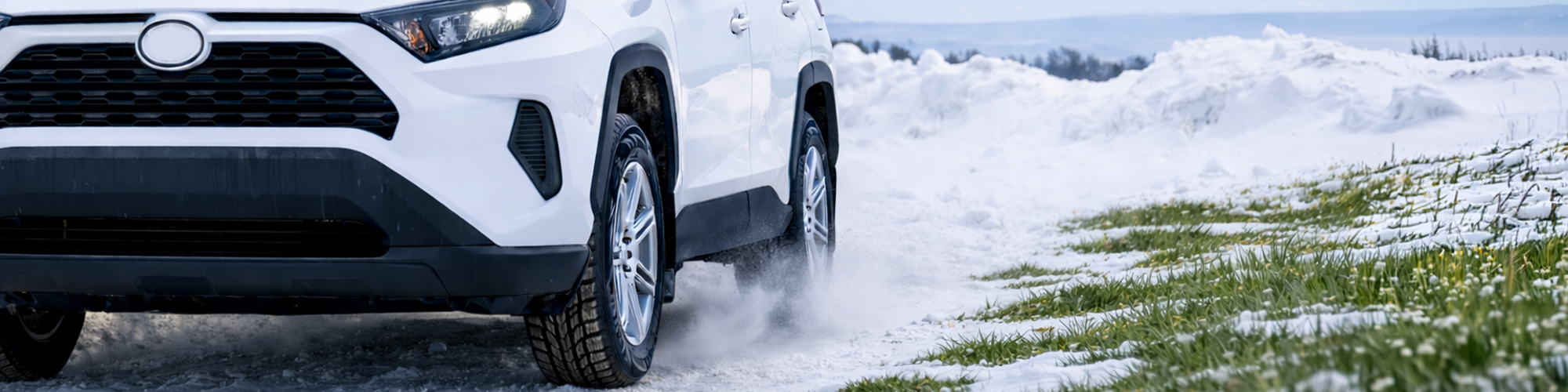
Why Tire Condition Matters More in Late Winter
By the time February and March begin to roll around, and people can begin to taste the sweet warmth it’s important for Canadians to know that you may have made it past the dog days of winter, but you should continue driving as if you haven’t. Now that the sun begins to stretch its time and temperatures are on the rise doesn’t mean it’s time to jump the gun and begin to get careless with this new sense of comfort.
If you have ever encountered a slush filled intersection and hit that surprise pothole; or slid a little longer than you should have while braking then you know the truth about driving during late winter. The last few weeks of winter can often be the hardest part of the season for your tires and your nerves.
At Sailun Tire Canada, we see it every year. Tires that performed well in December and January are suddenly struggling in February and March, just as road conditions become more unpredictable. And for families juggling school runs, commutes, and daily errands, that unpredictability matters.
Winter isn’t over yet — and your tire condition matters now more than ever.
Late Winter Roads Are More Dangerous Than They Look
Early winter has a rhythm. Snow falls, roads begin to freeze and drivers start to adjust and get into a winter driving mode. Late winter, however, is a complete different challenge.
Late winter make you questions more than your driving techniques, for starters we Canadian don’t even know what to wear. Mornings are cold so we bundle up the kids and ourselves yet by the time we have to go do the school pick ups everyone has forgotten the frosty morning. The same mindset applies to driving. One minute the pavement is wet and bare. The next it’s frozen solid, by the afternoon, melting snow turns into thick slush, only to refreeze again overnight. This constant freeze–thaw cycle creates a mix of road hazards that demand maximum traction and control from your tires.
Slush is especially deceptive. It looks as soft as snow, but it behaves more like water reducing grip, increasing stopping distances, and making steering feel like a guessing game. When slush builds up in or around intersections, tires must work harder to clear it away and stay planted to the road. Add in sudden cold snaps, freezing rain, and shaded areas that stay icy longer, and late winter becomes one of the most challenging driving periods of the year.
That’s why tire wear catches up with you in February and March, your tires have been through it all during winter. They’ve handled months of cold temperatures, abrasive road treatments, repeated braking on snow and ice, rough pavements and hidden road damage.
Even quality winter or all-season tires lose effectiveness as tread wears down. Traction doesn’t disappear overnight, it fades gradually. And late winter is when many drivers finally start to feel that loss.
As your tread depth decreases, tires begin to struggle when they need to push slush and water out of the way. You start to notice drops in grip on icy or wet pavement. Braking distances get longer and longer and steering around a corner doesn’t quiet feel the same as it used to. That confidence you had in your car and tires drops and if you are running All-Season tires then you feel even more pressure.
All-season tires are popular across Canada because they offer flexibility. But flexibility has limits, especially late in the season.
Worn all-season tires can face extra challenges in February and March. Their tread patterns and rubber compounds aren’t designed to handle deep slush, the brutal overnight ice, and the predictable temperature swings. As the tread blocks round off, their ability to grip slippery surfaces drops quickly.
Many drivers assume that milder temperatures automatically mean safer roads but that’s just not the case. Late winter often demands more from your tires, not less as it takes it last couples swings at us all.
These last few swings include one of winter’s largest and most visible tolls on the roads themselves, potholes. If there ever was a sole physical indicator of winters toll on our daily lives it would be potholes.
Late winter is peak pothole season. As water freezes and expands beneath the pavement, cracks turn into holes, sometimes overnight. Hitting a pothole can do more than just rattle your suspension. In addition to potentially taking you out of your seat, it can damage sidewalls, weaken the internal tire structure, cause a slow air leak or even knock your wheel out of alignment.
What makes pothole damage so dangerous is that it isn’t always obvious. A tire might look fine but fail weeks later under stress. Combined with worn tread, this hidden damage increases the risk of sudden pressure loss or poor handling when you need control the most.
Why Families Feel the Impact First
Late winter is a busy season for families. School schedules are in full swing, extracurriculars are back-to-back, and daily errands don’t slow down just because the weather is unpredictable.
Most of this driving happens at lower speeds, in residential areas, near schools and parking lots and even on streets that may not be cleared as quickly.
In these situations, stopping distance is critical. You’re not worried about highway speeds, you’re worried about stopping smoothly at a crosswalk, braking in a school zone, or navigating a crowded drop-off lane.
Worn tires reduce your margin for error. On wet or icy pavement, even a small loss of traction can mean sliding farther than expected. When kids and pedestrians are nearby, that difference matters.
Late Winter Braking: Where Tire Condition Really Shows
Many drivers don’t notice tire wear until they need to brake quickly. On dry roads, the change might feel minor. On wet or slushy pavement, it becomes obvious.
Late winter roads reduce friction. That means your tires need healthy tread depth to maintain contact with the surface. When tread is worn, braking distances increase — sometimes by several car lengths.
In those real-world driving circumstances, having a few extra feet can be the difference between a controlled stop and a stressful close call.
What to Check Before Spring Arrives
Before you mentally check out of winter, take a few minutes to look at your tires. It’s one of the simplest ways to protect yourself and your passengers during late winter.
Focus on:
- Tread depth: If it’s close to the wear bars, traction is already compromised
- Uneven wear: Often worsened by potholes and alignment issues
- Sidewall damage: Bulges, cracks, or cuts need immediate attention
- Tire pressure: Temperature swings can cause underinflation, reducing grip and control
Catching these issues now can help you avoid problems during the final stretch of winter — and prevent unnecessary damage to your vehicle.
Why Late Winter Is Not the Time to Take Chances
It’s easy to think, “I’ll deal with tires in spring.” But late winter is exactly when tired, worn tires are tested the hardest.
Roads are unpredictable. Conditions change quickly. And drivers are often less cautious because winter feels like it’s ending. That combination makes February and March a critical time for tire safety.
Good tire condition means better traction in slush and wet snow, shorter braking distances on icy roads, improved control on damaged pavement and greater confidence during daily driving.
Winter Isn’t Over — Drive Like It
Canadian winters don’t end cleanly. They linger, melt, refreeze, and surprise us when we least expect it.
Making sure your tires are still up to the task in late winter helps protect what matters most, your family, your passengers, and everyone sharing the road with you.
Because when winter refuses to let go, your tires shouldn’t either.